

 Farm Equipment
  Livestock, Wildlife & Poultry
 Trucks & Trailers
  Machinery
  Utility & Off Road Bikes
  Spares & Accessories
  Property
  Dealerships
  Get Alerts
  Blog
Blog  Contact Us
  Login
Login  Online
Auctions
Online
Auctions 
Tips and Techniques for Storing and Preserving Hay and Silage
Date: 08/09/2022
Interested in knowing and understanding the tips and techniques for storing and preserving hay and silage? Proper storage and preservation methods are crucial for maintaining the quality and nutritional value of these essential animal feed sources. Whether you're a farmer or a livestock owner, implementing the right strategies can help you ensure a steady and reliable supply of high-quality feed throughout the year. Want to request a quote on AgriMag? Click here to fill out a form with your details.
Understanding the Importance of Proper Storage
Before delving into the techniques, let's highlight the significance of proper storage and preservation. Hay and silage are staple components of livestock diets, providing essential nutrients such as carbohydrates, proteins, and minerals. However, improper storage can lead to significant nutrient loss, mold growth, and spoilage, ultimately impacting animal health and productivity.
Tips for Storing Hay
1. Choose Quality Hay: Start with good-quality hay that is free from mold, dust, and weeds. Quality hay not only provides better nutrition but also retains its freshness for a longer period.
2. Dry Storage Area: Store hay in a dry, well-ventilated area to prevent moisture accumulation. Exposure to moisture can cause mold growth and degradation of hay quality.
3. Elevate Stacks: Place hay bales on pallets or wooden platforms to elevate them above the ground. This helps to improve air circulation and prevents moisture absorption from the ground.
4. Cover Stacks: Protect hay stacks from exposure to rain and sunlight by covering them with tarps or plastic sheets. UV rays can degrade hay quality, while rain can increase moisture content and lead to spoilage.
5. Regular Inspections: Periodically inspect stored hay for signs of mold, heat, or moisture. Promptly remove any damaged bales to prevent mold spread and maintain overall quality.
Techniques for Preserving Silage
1. Proper Harvesting: Harvest silage at the correct stage of maturity to ensure optimal nutrient content. Early harvesting results in higher sugar content, facilitating better fermentation and preservation.
2. Chop to the Right Size: Chop forage into small, uniform pieces to facilitate compaction and efficient fermentation. Properly chopped silage ensiles more evenly and reduces the risk of air pockets.
3. Pack Silage Firmly: Compact silage tightly to eliminate trapped air and promote anaerobic fermentation. Use heavy equipment such as tractors or rollers to achieve adequate packing density.
4. Seal Silos Properly: Ensure airtight sealing of silage storage structures to prevent oxygen infiltration. Oxygen exposure can lead to aerobic spoilage and nutrient loss.
5. Monitor Fermentation: Monitor silage fermentation process regularly by checking temperature and pH levels. Proper fermentation results in acidic conditions, inhibiting mold growth and preserving nutrient quality.
Additional Considerations for South African Conditions
In the context of South Africa, where climatic conditions can vary significantly across regions, there are additional considerations to keep in mind when storing and preserving hay and silage.
- Climate Adaptation: Tailor storage practices to local climate conditions. In areas with high humidity or frequent rainfall, extra precautions such as elevated stacking and improved ventilation may be necessary to prevent moisture-related issues.
- Pest Control: Implement measures to deter pests such as rodents and insects, which can damage stored hay and silage. This may involve using rodent-proof storage containers or employing natural deterrents like mint or citrus peels.
- Water Management: Manage water runoff effectively to prevent flooding or waterlogging around storage areas. Proper drainage infrastructure can help mitigate the risk of water damage to stored feed.
- Feed Testing: Regularly test stored hay and silage for nutrient content to ensure it meets the dietary requirements of your livestock. Adjust feeding strategies accordingly to maintain optimal animal health and productivity.
- Emergency Preparedness: Develop contingency plans for unexpected events such as extreme weather events or equipment failures. Having protocols in place for rapid response can minimise losses and ensure continuity of feed supply.
Collaboration and Knowledge Sharing
In addition to individual efforts, collaboration within the farming community and knowledge sharing among practitioners can further enhance the effectiveness of hay and silage storage and preservation techniques. Participating in farmer networks, attending workshops, and engaging with agricultural extension services can provide valuable insights and resources for improving feed management practices.
By pooling resources, sharing experiences, and collectively addressing challenges, farmers in South Africa can collectively elevate the standards of hay and silage storage and preservation, ultimately benefiting the entire livestock industry.
In conclusion, ensuring the proper storage and preservation of hay and silage is vital for maintaining their quality and nutritional value, ultimately supporting the health and productivity of livestock in South Africa. By implementing the tips and techniques for storing and preserving hay and silage outlined in this article, farmers and livestock owners can mitigate the risk of spoilage, mold growth, and nutrient loss, thus securing a reliable supply of high-quality feed year-round. From selecting quality forage to investing in appropriate storage facilities and monitoring fermentation processes, attention to detail and proactive management are paramount. By prioritising the care of these essential feed sources, farmers can optimise their operations and contribute to the overall success and sustainability of the agricultural sector. Would you like an AgriMag quote? To fill out a form with your information, click here.
You may also like
Navigating Common Problems and Challenges in Hay and Silage Production
06/05/2024
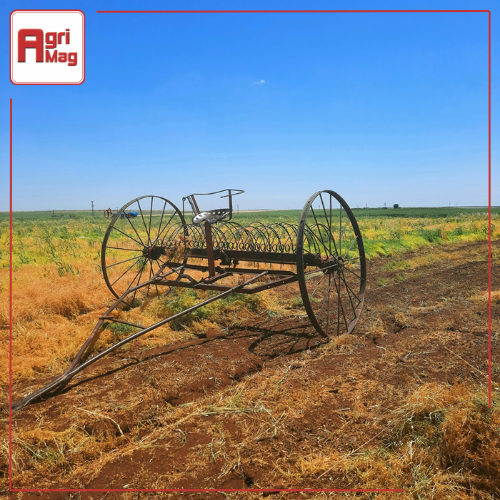
Exploring Trends and Innovations in Hay and Silage Production
06/05/2024
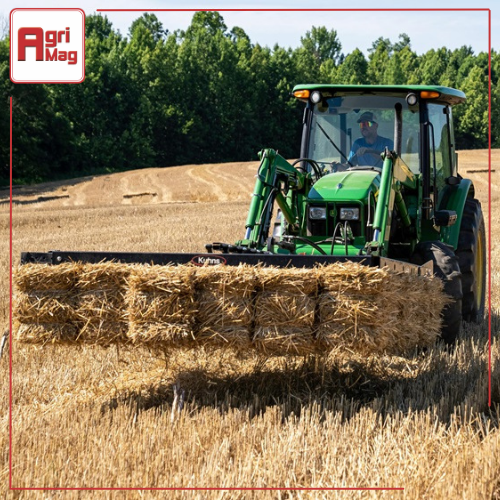
Understanding Haymaking and Silage Practices in South Africa
06/05/2024





Categories:
Common category
Category Search:
Latest articles:
NAMPO 2026: Farming Forward Through Innovation
The beginning of the next 100 years of agricultural excellence in SA
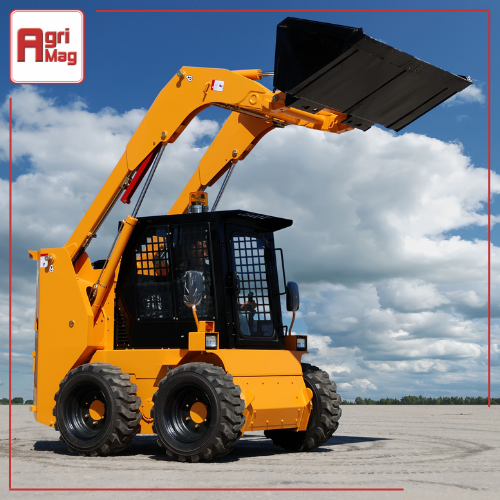
What to Look for When Buying a Skidsteer Loader for Farming